
How Asbestos Removal Protects Indoor Air Quality in Your Home
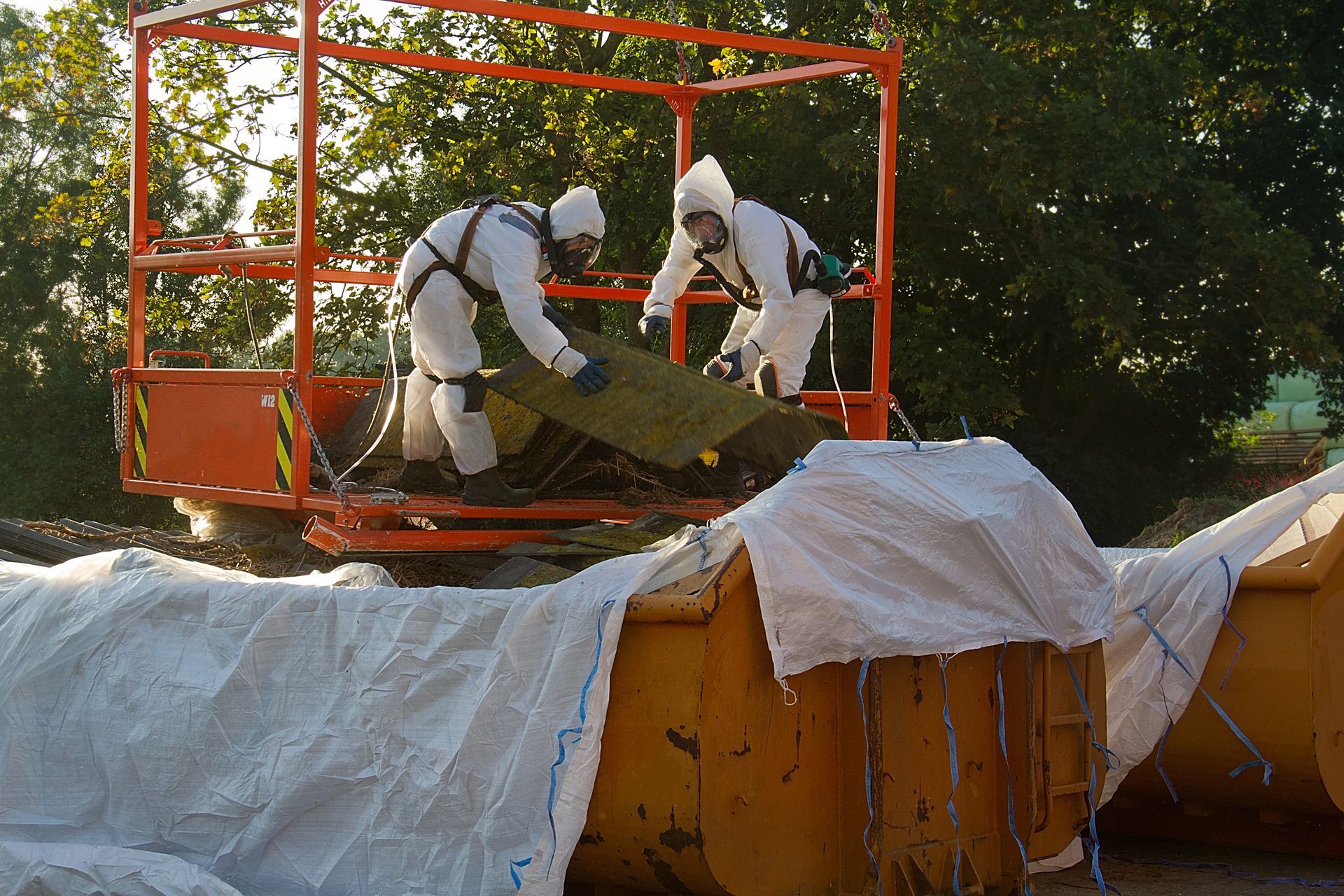
Asbestos removal is one of the most important steps a homeowner can take to protect the air quality inside their home. When asbestos-containing materials deteriorate or are disturbed, they release microscopic fibers into the air that are invisible to the naked eye and easy to inhale without knowing it. For homes in Dayton, OH, where older housing stock is common, understanding this risk may be the first step toward a healthier living environment.
Why Deteriorating Asbestos Threatens Your Indoor Air
Undisturbed asbestos is generally considered stable. The real danger begins when materials that contain it start to break down. Aging insulation, crumbling pipe coverings, and worn floor tiles can all shed fibers into the air over time. Once airborne, those fibers can circulate through your home's ventilation system and settle on surfaces throughout the house. Everyday activities like sweeping, renovating, or even walking across damaged flooring may release additional fibers without any visible warning sign.
What Common Household Materials May Contain Asbestos?
Many older Dayton, OH, homes built before the 1980s may still contain asbestos in a wide range of materials. Knowing where it tends to hide can help homeowners take precautions before disturbing anything.
Materials that may contain asbestos include:
- Floor tiles and the adhesive used to install them.
- Pipe and duct insulation, especially in basements and utility areas.
- Textured ceiling coatings, sometimes called "popcorn ceilings."
- Roofing shingles and exterior siding panels.
- Insulation around furnaces and boilers.
Visual inspection alone cannot confirm whether a material contains asbestos. Only laboratory testing of a sample collected by a certified inspector can provide a reliable answer.
Long-Term Health Risks Linked to Asbestos Exposure
Asbestos exposure can cause serious, long-term health problems. Inhaled fibers may become permanently lodged in lung tissue, where they can cause inflammation and scarring over time. Conditions such as mesothelioma, asbestosis, and lung cancer have all been linked to prolonged asbestos fiber inhalation. These diseases may take decades to develop, which is why many people do not connect their illness to past asbestos exposure. Professional asbestos removal is critical because it eliminates the source before exposure accumulates to dangerous levels.
Why DIY Removal Can Make Things Worse
Attempting to remove asbestos-containing materials without proper training and equipment may dramatically increase fiber release. Improper disturbance can spread fibers to areas of the home that were previously unaffected. Licensed asbestos abatement professionals follow strict containment and disposal protocols designed to prevent cross-contamination and protect building occupants.
How Professional Asbestos Abatement Protects Air Quality
Professional asbestos abatement involves sealing off the work area, using negative air pressure equipment, and disposing of materials according to state regulations. After removal, clearance air testing may be performed to confirm that fiber levels have returned to safe thresholds. This process addresses the contamination at its source rather than simply masking the problem. Rainbow Environmental Services proudly serves Dayton, OH, providing certified asbestos removal for homes throughout the region.
Ready to Improve Your Indoor Air Quality?
If you suspect asbestos-containing materials in your home, prompt action may help protect your family's health for years to come. Rainbow Environmental Services, Inc. offers certified
asbestos removal services for residential and commercial properties across Dayton, OH, and surrounding areas. Call
(513) 624-6470 to speak with a knowledgeable specialist, or visit the
contact page to request a consultation today.